
“Picture this: your guests walk into your bathroom before the big cookout and instead of a sticky sink or cloudy mirror, they’re greeted by sparkling tiles, a fresh-smelling air, and a toilet that practically glows. No hours of scrubbing required.”
That’s not a fantasy—it’s exactly what a solid bathroom hygiene routine can deliver. Whether you’re a busy parent in a Chicago suburb, a renter in a Brooklyn apartment, or a homeowner in a Phoenix condo, the bathroom is the one room that gets dirty fastest and judged the hardest. The EPA notes that indoor surfaces—especially damp ones like bathrooms—can harbor bacteria, mold spores, and allergens that affect your household’s air quality and health every single day.
The good news? You don’t need a professional cleaner or a full Saturday afternoon to keep things pristine. With the right quick tips for maintaining a spotless bathroom, you can stop grime before it starts, tackle tough spots fast, and build habits that take less than 15 minutes a day.
In this guide, you’ll find 15+ bathroom cleaning hacks organized into daily routines, deep-clean sessions, and long-term prevention strategies. We’ve focused on products you can grab at Walmart, Target, Amazon, or Home Depot—no fancy subscriptions needed. Let’s dive in. These bathroom cleaning hacks will keep your space germ-free, effortlessly.
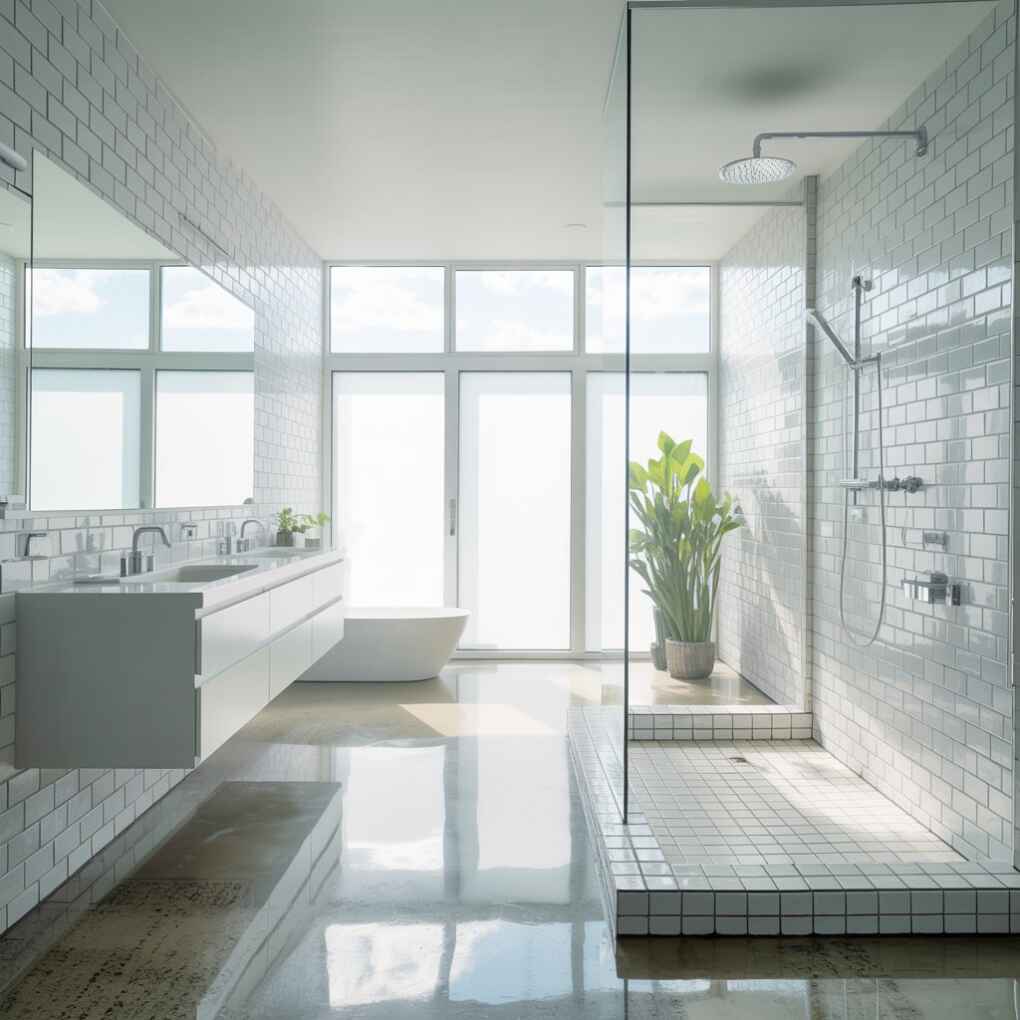
5-Minute Daily Habits for a Fresh Bathroom Start
Daily bathroom maintenance is the single biggest factor separating homes that stay clean from ones that spiral into weekend-long scrub sessions. It sounds counterintuitive, but spending five minutes every day saves you two hours every month. Here’s the simple math: a thin soap film wiped away today takes 10 seconds. That same film left for a week becomes calcified scum that needs a pumice stone.
Build these habits into your existing morning or bedtime routine, and bathroom hygiene becomes automatic rather than a chore.
- Squeegee the shower walls after every use. A rubber squeegee ($5–$8 at Target) removes standing water before it can evaporate into mineral deposits or feed mold. Run it top-to-bottom in 30 seconds. This is the single highest-ROI move in any bathroom maintenance plan.
- Do a quick sink wipe-down each morning. Keep a microfiber cloth or a pack of Clorox wipes under the sink. After brushing your teeth, a 20-second wipe of the basin and faucet handles prevents toothpaste crust and bacterial buildup around the drain.
- Spritz shower walls with a DIY daily spray. Mix equal parts white distilled vinegar and water in a spray bottle ($1 refill at Dollar Tree). Mist after your shower squeegee. Vinegar’s acetic acid disrupts bacterial cell membranes and, according to research published in food microbiology journals, kills up to 99% of common surface bacteria at 5% concentration—exactly what you’ll find in standard grocery-store white vinegar.
- Swish the toilet bowl with a brush. A 10-second swish with a bowl brush after each use prevents the brown ring of mineral buildup that’s the nemesis of so many bathrooms. Drop a few tablespoons of baking soda in weekly to neutralize odors at the source.
- Replace towels and bath mats on a schedule. Damp textiles are prime real estate for mildew. Hang towels spread fully open, wash bath mats every one to two weeks, and store hand towels on rings (not hooks) for faster drying.
- Leave the bathroom door or window open after showering. Humidity is mold’s best friend. Crack a window or run an exhaust fan for at least 15 minutes post-shower to keep moisture levels in check—a critical component of any mold prevention strategy.
| Task | Time | Tools Needed | Key Benefit |
|---|---|---|---|
| Squeegee shower walls | 30 sec | Rubber squeegee | Prevents water spots & mold |
| Wipe sink & faucet | 20 sec | Microfiber cloth or wipes | Kills bacteria, stops buildup |
| Spritz shower with vinegar | 30 sec | Spray bottle, white vinegar | Disinfects, prevents scum |
| Swish toilet bowl | 10 sec | Toilet brush | Stops mineral ring buildup |
| Run exhaust fan | 15 min (passive) | Existing fan | Reduces humidity & mold risk |
| Wipe mirror | 20 sec | Glass cloth or newspaper | Streak-free shine daily |
| Empty wastebasket | Weekly | Liner bags | Controls odor & pests |
Grout Cleaning Tips and Tile Shine Hacks
Grout is bathroom kryptonite. Its porous surface sucks up soap residue, moisture, and skin cells, creating the perfect incubator for mold and mildew. The good news: these grout cleaning tips use ingredients you already have in your pantry, and each method takes under 10 minutes.
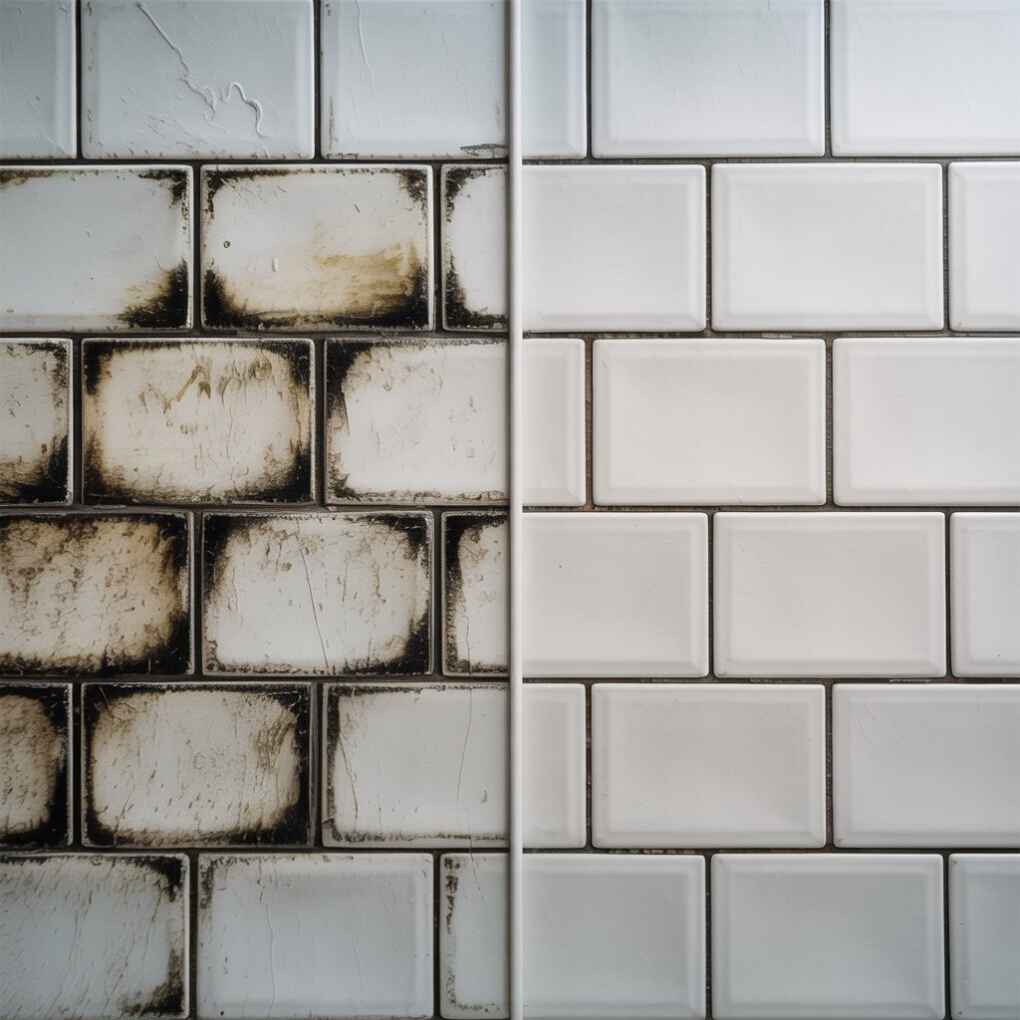
Method 1 — Baking Soda Paste for Everyday Grout Refresh
Baking soda (sodium bicarbonate) is a mild abrasive that lifts stains without scratching tile glaze. This is your weekly go-to for hard water stain removal on light grout lines.
- Mix 3 tablespoons of baking soda with enough water to form a thick paste—aim for peanut butter consistency.
- Apply the paste directly onto grout lines using an old toothbrush or a grout brush ($4 at Home Depot).
- Let it sit for 5 minutes to penetrate.
- Scrub in small circular motions along the grout line.
- Rinse clean with warm water and dry the area with a towel to prevent new moisture from settling.
Method 2 — Hydrogen Peroxide for Mold Prevention
For darker grout stains or visible mold spots, hydrogen peroxide (3% solution, found at any drugstore for under $2) is a powerful mold prevention tool. It penetrates porous surfaces and breaks down the organic material mold feeds on.
- Pour undiluted 3% hydrogen peroxide into a spray bottle.
- Spray directly onto affected grout—don’t dilute, you need the full concentration.
- Allow to fizz and sit for 10 minutes. The bubbling action lifts mold spores to the surface.
- Scrub with a stiff-bristled brush and rinse thoroughly.
- Repeat monthly as a preventive treatment, even on grout that looks clean.
Pro tip: Never mix hydrogen peroxide with vinegar in the same container—it creates peracetic acid, which can irritate skin and lungs. Use them separately, rinsing between applications.
Method 3 — Lemon Juice as a Limescale Remover on Faucets
That white crusty buildup around your faucet base? That’s limescale—calcium carbonate deposited by hard water. It affects roughly 85% of US homes. Lemon juice (citric acid) dissolves it without harsh chemicals, making it one of the best natural bathroom disinfectants and descalers in your kitchen.
- Cut a lemon in half or squeeze fresh lemon juice into a small bowl.
- Saturate a paper towel with lemon juice and wrap it around the faucet base or shower head.
- Secure with a rubber band and leave for 30–60 minutes.
- Remove the towel and scrub with an old toothbrush. The scale should crumble away.
- Rinse with warm water and buff dry with a microfiber cloth for a streak-free finish.
See our guide on kitchen deep clean routines
Shower Scum Removal and Tub Refresh in Under 10 Minutes
US homes average indoor humidity levels between 40–60%, and bathrooms spike even higher after a hot shower. That warm, moist environment is ideal for soap scum, mildew, and the pink bacteria (Serratia marcescens) that appear as pink rings in tubs and grout lines. A deep clean routine for your shower and tub doesn’t need to be a Saturday project.
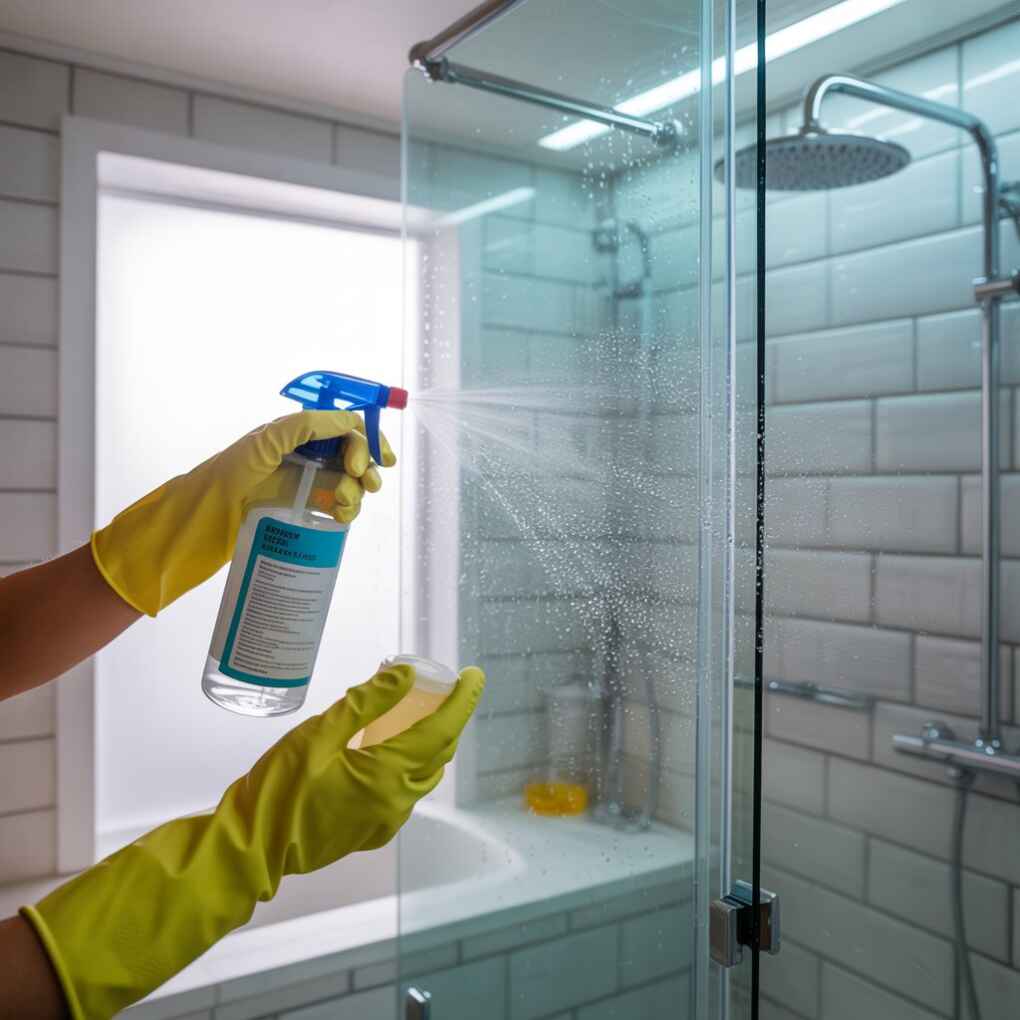
The Dawn + Vinegar Shower Spray (Best DIY Cleaner)
This is the most widely praised eco-friendly bathroom cleaner in the DIY space, and for good reason. Dawn dish soap cuts through grease and soap scum, while heated vinegar amplifies its cleaning power.
- Microwave 1 cup of white distilled vinegar for 90 seconds until warm (not boiling).
- Pour into a spray bottle and add 1 cup of Blue Dawn dish soap. Gently swirl—don’t shake.
- Spray generously on shower walls, the tub surround, and the shower door.
- Let it sit for at least 30 minutes (longer for heavy buildup—up to 2 hours).
- Wipe away with a non-scratch sponge or scrub brush. Rinse well with warm water.
This mixture is powerful enough to dissolve months-old soap scum and costs under $2 per batch—far cheaper than a bottle of CLR or Scrubbing Bubbles.
CLR for Heavy-Duty Shower Scum Removal
For tough calcium and rust stains that the DIY spray can’t budge, CLR Calcium, Lime & Rust Remover ($8–$12 at Walmart or Home Depot) is the go-to. It’s EPA Safer Choice certified and effective on fiberglass, chrome, and porcelain. Always follow package instructions and ventilate the room well during use.
💡 Ventilation is Non-Negotiable: Run your exhaust fan during and for 15 minutes after any chemical cleaning session. If your fan is older than 10 years, it may be undersized for your bathroom’s square footage—consider a $30 replacement fan from Home Depot that can make a measurable difference in long-term mold prevention.
Preventing Mildew on Shower Curtains
Fabric or plastic shower curtains are mildew magnets. Machine-wash fabric liners monthly with a cup of white vinegar added to the rinse cycle. For plastic liners, spray weekly with your DIY vinegar solution and leave it spread open after each shower so air circulates freely. Replace plastic liners every 3–6 months—at $5–$8 from Amazon or Target, it’s cheaper than a deep scrub session.
Toilet Bowl Shine and Sink Stain Busters
The toilet and sink are the two spots guests notice most—and the two spots most people clean the least effectively. These strategies will give you a toilet bowl shine and spotless sink that hold up between deep cleans.
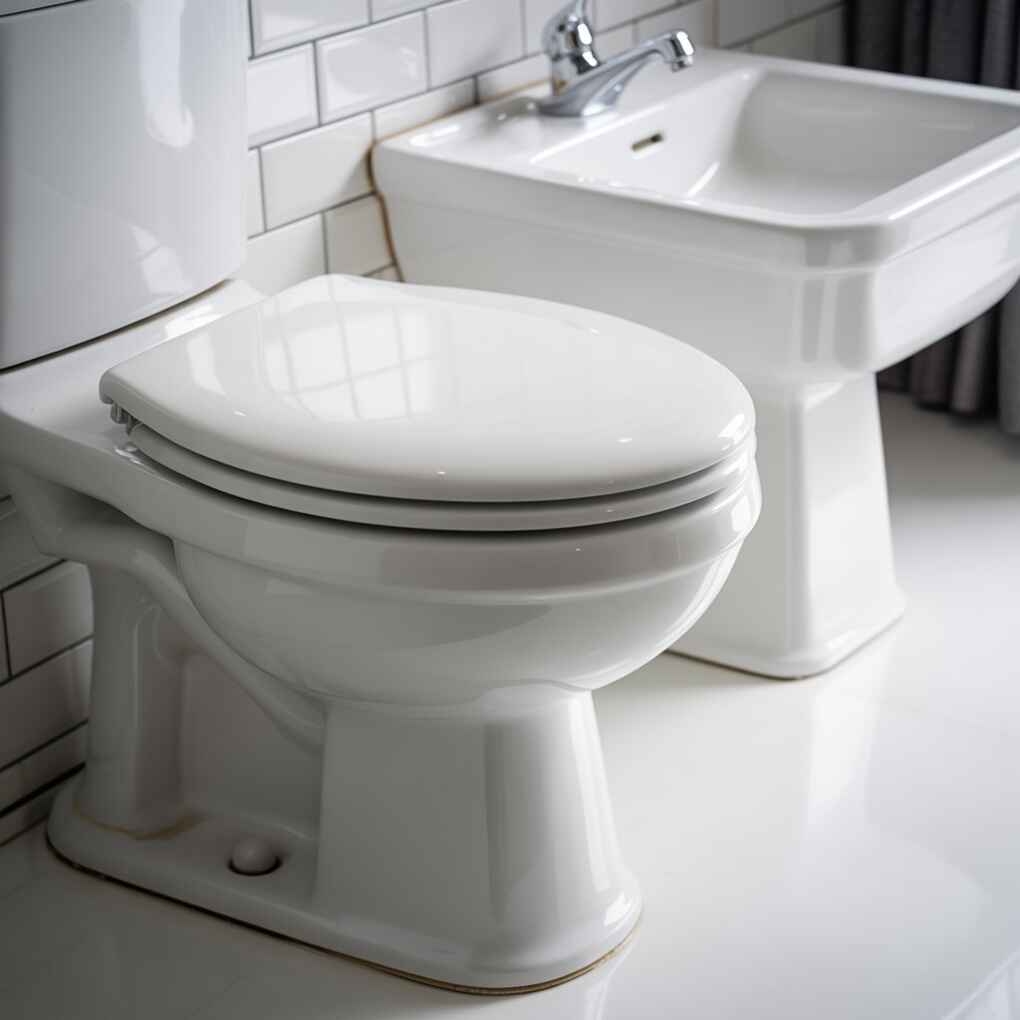
- Pumice stone for stubborn toilet rings. A pumice stone ($6 at Walmart) is the most effective tool for removing the hard mineral ring that forms at the waterline. Wet both the stone and the porcelain (never use dry—it will scratch), then gently rub in circular motions. It sounds aggressive, but pumice stone is softer than porcelain and won’t damage the surface when used wet.
- Baking soda + hydrogen peroxide fizz treatment. Pour ½ cup baking soda into the bowl, followed by ½ cup hydrogen peroxide. Let the fizzing reaction work for 20–30 minutes, then scrub and flush. This combo lifts stains, deodorizes, and disinfects—all with natural bathroom disinfectants you likely already own.
- Tea tree oil for long-term odor control. Add 10–15 drops of tea tree essential oil to the toilet tank (not the bowl). Every flush releases a small amount of its natural antibacterial properties. It won’t replace cleaning, but it reduces bacterial odor between sessions significantly.
- Bar Keepers Friend for sink and faucet stains. This powder cleanser ($3 at Target) contains oxalic acid, which dissolves rust, hard water stains, and soap residue without scratching porcelain or stainless steel. Wet the surface, sprinkle, scrub for 30 seconds, rinse. It’s one of the most underrated limescale removers in the US market.
- Clean the toilet exterior—don’t skip it. Spray the tank, lid, seat, and base with a disinfectant spray (Lysol or Method All-Purpose). Wipe with disposable cleaning cloths to avoid cross-contaminating your sponges. The base and back of the toilet are the most-neglected spots and the most bacteria-rich.
| Product | Approx. Price | Effectiveness | Eco Score | Where to Buy |
|---|---|---|---|---|
| Method Bathroom Cleaner | $4–$6 | ⭐⭐⭐⭐ | 🌿🌿🌿🌿 | Target, Amazon |
| Seventh Generation Tub & Tile | $5–$7 | ⭐⭐⭐⭐ | 🌿🌿🌿🌿🌿 | Walmart, Amazon |
| Better Life Bathroom Cleaner | $6–$8 | ⭐⭐⭐⭐ | 🌿🌿🌿🌿🌿 | Amazon, Whole Foods |
| DIY Vinegar + Dawn Spray | ~$1/batch | ⭐⭐⭐⭐⭐ | 🌿🌿🌿🌿🌿 | Any grocery store |
| CLR Calcium, Lime & Rust | $8–$12 | ⭐⭐⭐⭐⭐ | 🌿🌿🌿 | Home Depot, Walmart |
| Lysol Power Bathroom Cleaner | $4–$6 | ⭐⭐⭐⭐⭐ | 🌿🌿 | Walmart, Target, Amazon |
Bonus Hacks: Organization and Prevention
The cleanest bathrooms aren’t just cleaned more often—they’re organized for cleanliness. Clutter on counters traps moisture, hides soap residue, and makes every cleaning session harder. A few strategic moves now pay dividends for months.
- Magnetic tool strips for small metal items. Mount a small magnetic strip inside a cabinet door to hold nail clippers, tweezers, and bobby pins off the counter. Countertops clear of small items are wiped down in seconds instead of minutes.
- Tension-rod caddies for under-sink storage. A $5 tension rod from Dollar General across your under-sink cabinet doubles storage by hanging spray bottles—freeing up floor space where moisture and mold love to hide.
- Corner shower caddies with drainage holes. Any caddy without drainage holes becomes a mold petri dish. Look for stainless or chrome-plated options with slotted shelves at Amazon or Home Depot ($12–$25). This is the #1 bathroom organization upgrade for renters.
- A whole-home water filter or showerhead filter for hard water. If you live in Phoenix, Houston, Las Vegas, or anywhere in the Midwest, your water is likely “hard” (high in calcium and magnesium). A $30 showerhead filter from Amazon (brands like AquaBliss or Jonhon) dramatically reduces mineral deposits on tile, glass, and fixtures—slashing your weekly cleaning time.
- Post a weekly bathroom checklist. Inside the cabinet door, tape a laminated checklist: Mondays—wipe mirrors and sink; Wednesdays—spray and wipe shower; Fridays—toilet deep clean; Sundays—mop floor. Visual cues maintain habits far better than memory alone.
Frequently Asked Questions
- What’s the best limescale remover for US hard water? For heavy limescale, CLR Calcium, Lime & Rust is the most effective commercial option. For a natural alternative, white vinegar or lemon juice work well on faucets and showerheads. Install a showerhead filter to prevent new deposits from forming.
- How often should I deep clean my bathroom? With consistent daily habits (squeegee, wipe-down, daily spray), a full deep clean every two to three weeks is sufficient for most households. Without daily maintenance, weekly deep cleans become necessary.
- Are eco-friendly bathroom cleaners as effective as chemical ones? For everyday maintenance, yes—white vinegar, baking soda, and hydrogen peroxide handle most bathroom cleaning tasks. For severe mold or calcium buildup, a commercial product like CLR or Seventh Generation may be needed for the initial removal.
- How do I prevent pink mold in my shower? Pink residue is caused by a bacteria called Serratia marcescens. Scrub affected areas with a baking soda paste, rinse, then spray with hydrogen peroxide. Consistent ventilation and weekly spraying with a vinegar solution are the best preventive measures.
- Can I use vinegar on all bathroom surfaces? Avoid using undiluted vinegar on natural stone (marble, travertine) as the acid can etch the surface. On tile, porcelain, glass, chrome, and grout, diluted or full-strength white vinegar is safe and effective.
- What’s the fastest way to clean a bathroom before guests arrive? Focus on the three highest-impact spots: the toilet bowl and seat, the sink and mirror, and the floor. A 5-minute blitz with disinfectant wipes on the toilet exterior, a quick sink scrub, and a Swiffer pass on the floor will make the space feel guest-ready immediately.
- How do I remove hard water stains from a glass shower door? Spray undiluted white vinegar on the glass and let it sit for 15–30 minutes. Scrub with a non-scratch pad, rinse, and dry with a squeegee. For severe buildup, a commercial hard water stain remover like RainX or Bio Clean works well.
Ready for a Spotless Bathroom?
Try these quick tips for maintaining a spotless bathroom this week. Start with just the daily squeegee and vinegar spray—you’ll notice the difference in days. Drop your results (or your own favorite hacks) in the comments below!